The Anatomy of a Modern Masterclass
The A&E "Superstar Sunday" programming block returns tonight, bringing a deep-dive analysis of WWE's most influential rivalries. As the A&E programming lineup reveals, the new season kicks off with a back-to-back double feature starting at 8:00 PM ET/PT. We are getting Ric Flair versus Randy Savage followed immediately by Charlotte Flair versus Becky Lynch at 9:00 PM ET/PT.
This goes far beyond mere nostalgia bait. It represents a direct head-to-head comparison of two entirely different structural approaches to pro wrestling storytelling. One relies on the operatic melodrama of the territory era. The other is a hyper-athletic, meta-textual war of attrition that redefined the modern women's division.
To understand why these matchups work, we have to look past the marketing hype. We need to dissect the actual mechanics of their in-ring chemistry. Let us look at the data, the transitions, and the booking decisions that built these historic rivalries.
Charlotte vs. Becky: The High-Performance Work-Rate Machine
Deconstructing the Chemistry
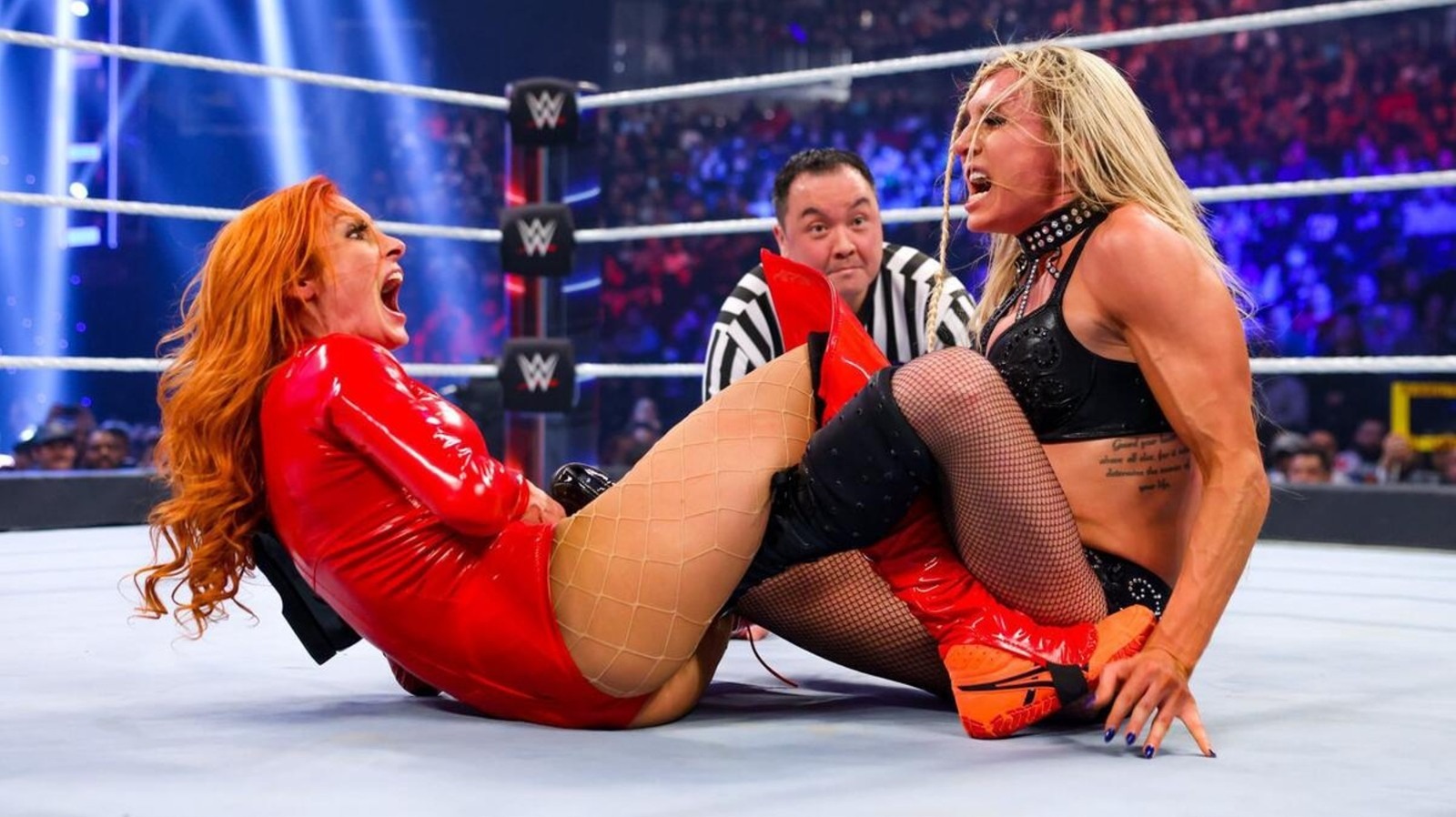
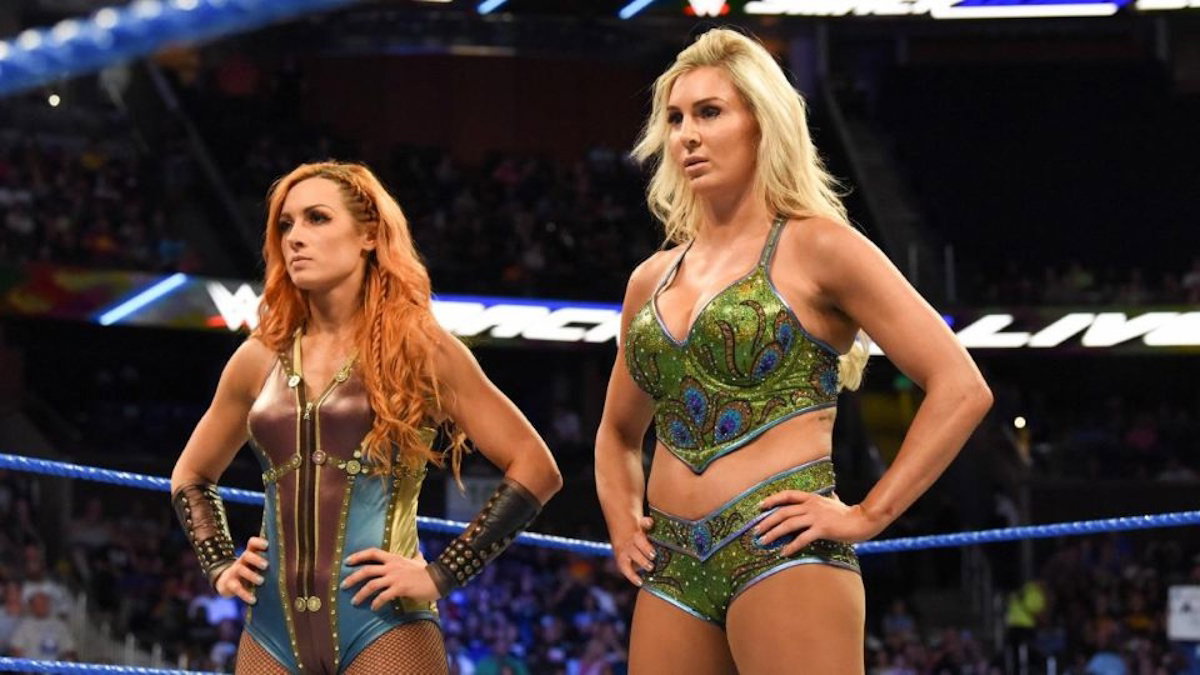
The rivalry between Charlotte Flair and Becky Lynch is the absolute gold standard of the modern WWE style. It functions like a perfectly calibrated, high-throughput feedback loop. When they step in the ring, they do not just perform moves. They trade high-impact counters at a blistering pace.
Look at their historic matchup at Evolution 2018. This was a Last Woman Standing match that went over twenty-eight minutes of relentless physicality. The physical pacing was staggering. Every spot was designed to maximize narrative impact without wasting motion.
Consider the transition at the fifteen-minute mark. Charlotte attempted a figure-eight leglock through a ladder, only for Becky to counter with a chair shot directly to the ribs. It was sudden. It was violent. It showed a deep understanding of high-stakes psychology.
Their chemistry is rooted in complementary movesets. Charlotte provides the explosive, high-flying athleticism. Her moonsault to the outside is a high-risk, high-reward maneuver that consistently blows the roof off arenas. Becky anchors the match with ground-based technical precision and ruthless target isolation.
Becky's entire strategy revolves around weakening the left arm for the Dis-Arm-Her. Every arm drag, shoulder breaker, and exploder suplex into the barricade is a calculated step toward that submission. It is logical. It is beautiful to watch.
To dissect their in-ring architecture, we must look at three core design principles:
- Work-Rate Density: Maximizing high-impact maneuvers per minute without dead space.
- Psychological Symmetry: Symmetrical character arcs where both act as the betrayed hero.
- Risk Integration: Seamless blending of high-flying maneuvers with grueling submission holds.
The Meta-Textual War
What makes Becky and Charlotte so compelling is how they blurred the lines between fiction and reality. Their real-life friendship fractured as they competed for the top spot. This friction translated directly into their performances, peaking at Survivor Series 2021.
That match was pure, unadulterated hostility. They threw hands with genuine animosity. The opening exchange was a chaotic scramble for position, far stiffer than the standard WWE style. You could see the raw tension in every strike.
The match went twenty minutes of pure drama. Charlotte missed a spear and crashed shoulder-first into the ring post. Becky immediately capitalized, targeting the injured joint. The finish, a roll-up with Becky holding the ropes for leverage, was a perfect encapsulation of their bitter feud.
The Savage-Flair Benchmark: Old-School Theatrical Architecture
The 1992 Formula
To appreciate the modern era, we must analyze the baseline. The 1992 feud between Ric Flair and "Macho Man" Randy Savage represents the pinnacle of old-school theatrical architecture. It was built on high-concept melodrama and intense personal stakes.
Flair had just transitioned from WCW to WWE. He brought a slick, arrogant style that contrasted sharply with Savage's intense, paranoid babyface energy. Their WrestleMania VIII match is a masterclass in slow-burn pacing.
Modern matches are fast. They feature rapid-fire transitions and high-flying maneuvers. The 1992 style was different. Every atomic drop, eye poke, and vertical suplex was given room to breathe.
The story was simple but effective. Flair claimed he had a past relationship with Savage's wife, Elizabeth. He even threatened to display a massive banner of her at WrestleMania. This psychological warfare turned a standard athletic contest into a blood feud.
The match itself was a bloody, chaotic brawl. Savage fought with reckless abandon, eventually winning the title with a roll-up while holding the tights. It proved that simple stories, told with absolute conviction, can create legendary moments.
Comparing the Eras
When you stack these two rivalries side-by-side, the evolution of the sport becomes obvious. Flair and Savage relied heavily on promos and character work to build their matches. The actual in-ring action was formulaic, relying on standard heel-and-face tropes.
Charlotte and Becky took a different path. They proved that women could carry a promotion on both work-rate and complex character dynamics. Their matches are faster, more complex, and physically more demanding than anything from the territory era.
Yet, both rivalries share a common core. They are about pride, betrayal, and the obsession with being the absolute best. That is the universal formula for pro wrestling success.
The Flaws in the Machine
Booking Failures and Real-Life Drama
No rivalry is perfect. The Becky-Charlotte feud suffered from terrible booking choices in late 2019. WWE insisted on teaming them up as reluctant partners, which completely diluted their intense animosity. It was a classic case of creative overthinking.
Then came the infamous title exchange segment on SmackDown in October 2021. The segment devolved into a real-life shoot confrontation. Charlotte went off-script and dropped the championship belt on the mat instead of handing it to Becky. It was awkward, unprofessional, and exposed the booking cracks.
We also must address the host of tonight's A&E programming. Having Gabriel "Fluffy" Iglesias lead the roundtable discussions is a bizarre creative choice. He is a talented comedian, but he lacks the deep historical knowledge required for a serious wrestling documentary. It feels like cheap celebrity integration.
Furthermore, as the full A&E broadcast schedule shows, the late-night block features WWE LFG at 10:00 PM ET/PT. This show focuses on Elijah Holyfield trying to make a comeback. While the coaching staff of Booker T and Bubba Ray Dudley is stellar, the concept feels detached from the core appeal of the Superstar Sunday lineup. It is a jarring transition from historic rivalries to developmental struggles.
The Final Prediction: Which Episode Reigns Supreme?
Tonight's broadcast will be a fascinating battle for viewers' attention. The Flair-Savage episode will undoubtedly appeal to older fans who love the classic territory style. It is a nostalgic trip to an era of larger-than-life characters and simple, effective storytelling.
But the Charlotte-Becky episode will be the superior hour of television. Their story is more complex, their matches are infinitely better, and the real-life tension adds a fascinating layer of intrigue. It represents the peak of WWE's modern storytelling engine.
Expect Charlotte vs. Becky to draw the highest ratings of the night. It is the definitive modern feud, analyzed by the people who lived it. Do not miss this deep dive into the architecture of a masterpiece.