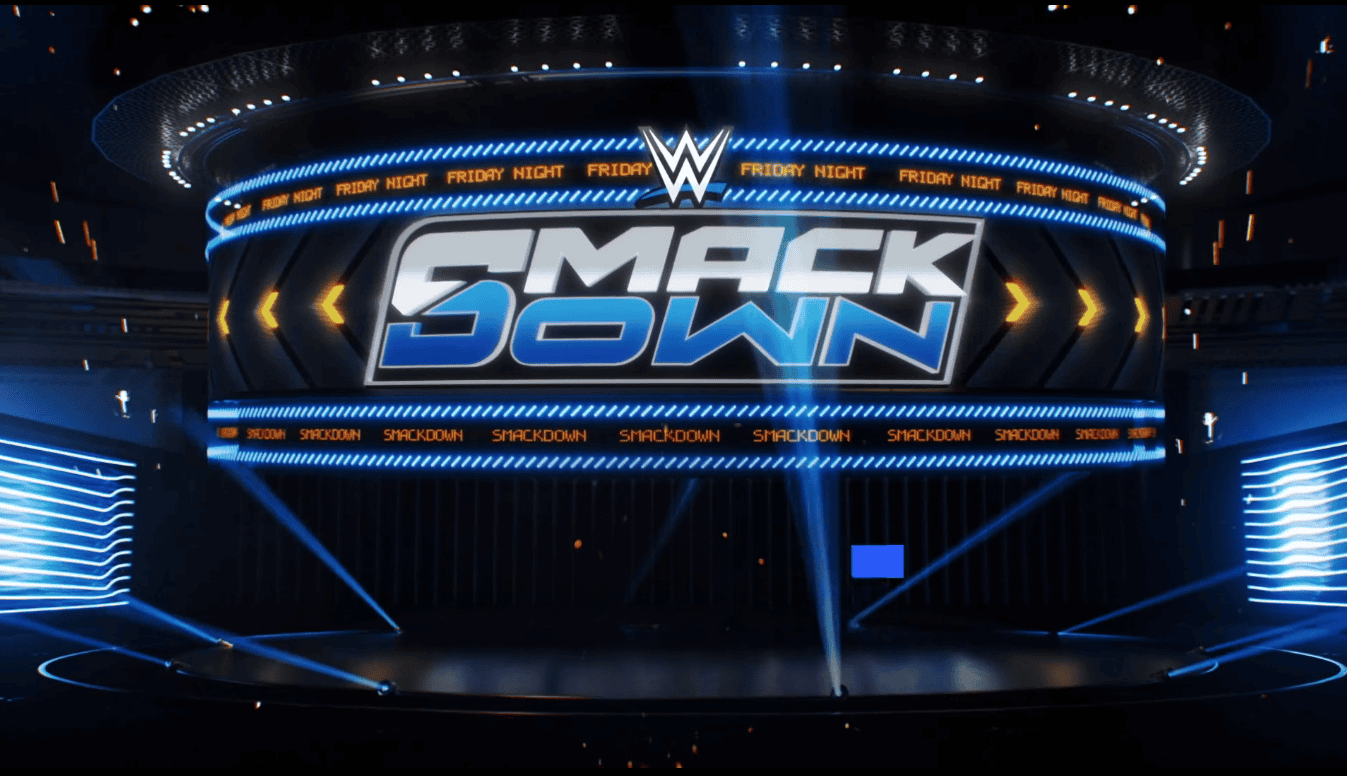
Avery Styles entering the ring forces a conversation about the second-generation trap
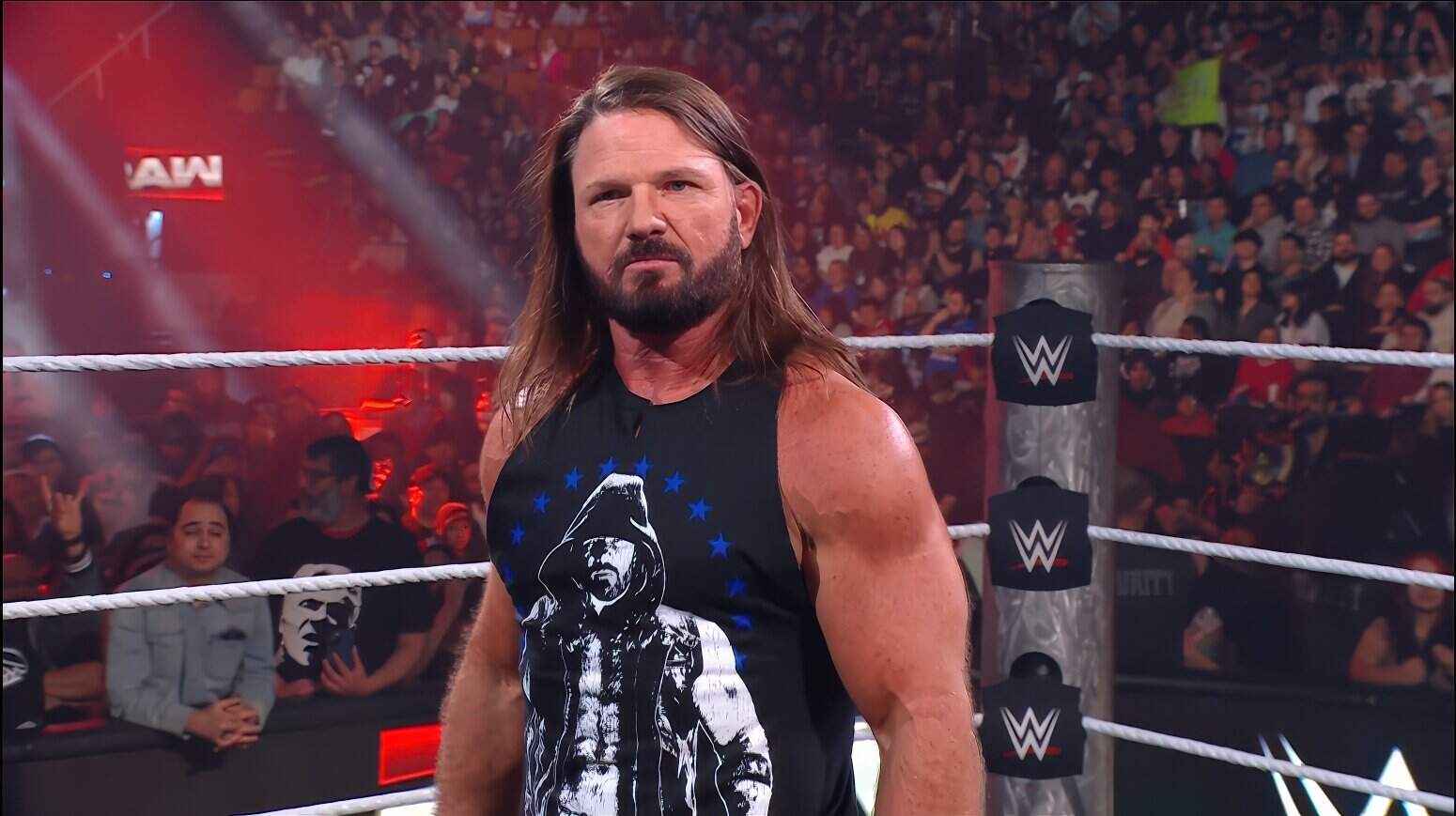
Measuring the two-hour expansion
Major League Wrestling hits a significant milestone this week with Fusion 200. Expanding a wrestling broadcast to a two-hour window is a tactical gamble, as recent reports regarding the expansion of the talent pool suggest. Historically, the pacing of MLW favors a concentrated, high-intensity product, often hovering around the 60-minute mark.
Stretching the content requires a precise rotation of talent and a defined middle. Without the right narrative connective tissue, a 120-minute show risks diluting the product's identity. If you cannot maintain the intensity found in their signature 60-minute blocks, the audience will tune out before the main event arrives.
The pacing issue at the top of the card
Gotham Wrestling enters this week’s broadcast at a crossroads. Last week’s main event clocked in at just under nine minutes of bell-to-bell action, an unacceptable brevity for a headline slot. The lack of sustained psychology left the crowd flat, shifting the energy from a potential barnburner to a rushed sequence of high-impact spots lacking transition.
When a main event fails to build to a narrative crescendo, it exposes weaknesses in the booking sequence. Promoters act as if brevity equals excitement, ignoring the fact that a match is a conversation between the ring and the capacity crowd. Nine minutes of frantic offense does not compensate for the absence of structural build.
The inherited pressure of the Styles name
The announcement that Avery Styles is slated for an in-ring debut brings immediate, unavoidable weight to the locker room. Wrestling history is littered with second-generation performers who spent their entire careers fighting beneath the shadow of their predecessors. The technical proficiency of AJ Styles is an outlier, not a benchmark that can be expected of a debutant.
If the promotion attempts to fast-track Avery to capitalize on the branding, they risk stalling his development. Success requires a transition from individual maneuver sets to internal match psychology. We have seen too many prospects receive a prominent spot on the card before they understand how to manipulate crowd heat during a ten-minute rest period.
The current landscape demands more than just genetic familiarity. If he enters the ring with a choreographed set of high-spots but fails to command the mid-match stall or the subtle facial work required for a comeback segment, the audience will notice. The gap between a talented athlete and a true worker is measured in timing, not agility.
Why the mid-card talent needs to step up
While attention naturally gravitates toward dynasty names, the actual health of the promotion relies on the mid-card workhorses. We saw this at Gotham Wrestling last week, where the failure of the main event was exacerbated by the thinness of the undercard. When your top-of-the-bill talent does not provide a blueprint for a sustained fight, nobody else is currently filling that void.
The industry is obsessed with the idea that every hour of television must be packed with title implications. This pressure often forces bookers to abandon traditional storytelling. A fifteen-minute technical clinic between two mid-carders will serve a broadcast better than a chaotic six-man tag that ends in a disqualification at the 8-minute mark.
Refining the broadcast strategy
MLW Fusion 200 needs to show that it can use its extra time to give characters space to breathe. Utilizing the second hour for promos, character vignettes, or post-match commentary can provide the necessary buffer for the high-octane matches. If the goal is to pack two hours with non-stop action, the result will be identical to the pacing disasters we have seen previously.
The burden of proof sits with the production team. They must decide whether the extra hour is a utility for storytelling or merely a repository for filler segments. A high-quality wrestling show requires a rhythm, not just a duration. As we head into the summer, the promotions that prioritize match construction over roster expansion will be the ones that hold their viewership percentages.
A debut isn't a victory; it's a diagnostic test. If Avery Styles is to move beyond his name, he needs a booking team that allows his matches to run longer than the disastrous nine-minute main events we saw last week. A ring is an arena for evolution, provided the performers are given the time to move.
Dark Side of the Ring: The Official Guide to Pro Wrestling's Greatest Hits
A deep dive into the wildest and most controversial stories in wrestling history
Frequently Asked Questions
What are the risks of MLW expanding to a two-hour show?
Why was the recent Gotham Wrestling main event criticized?
How does Avery Styles face pressure as a second-generation talent?
What defines a true wrestler beyond just athleticism?
How does the mid-card affect the overall health of a promotion?
More Coverage
Could R-Truth make a surprise jump following his recent WWE exit?
an hour agoMLW Fusion 200 needs to prove it can sustain a two-hour block
2 hours agoGotham Wrestling needs a reset after last week's lackluster main event
2 hours ago
AJ Styles to AEW rumors gain traction as contract expiration looms
2 hours ago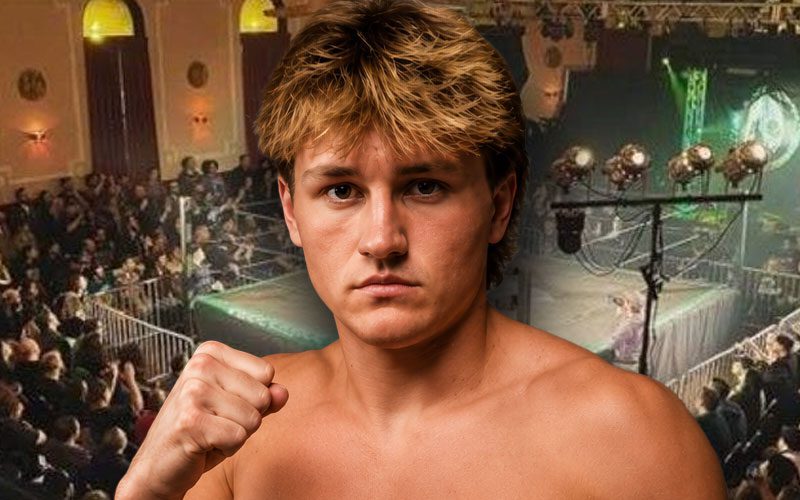
Avery Styles is stepping into the squared circle and the pressure is massive
4 hours ago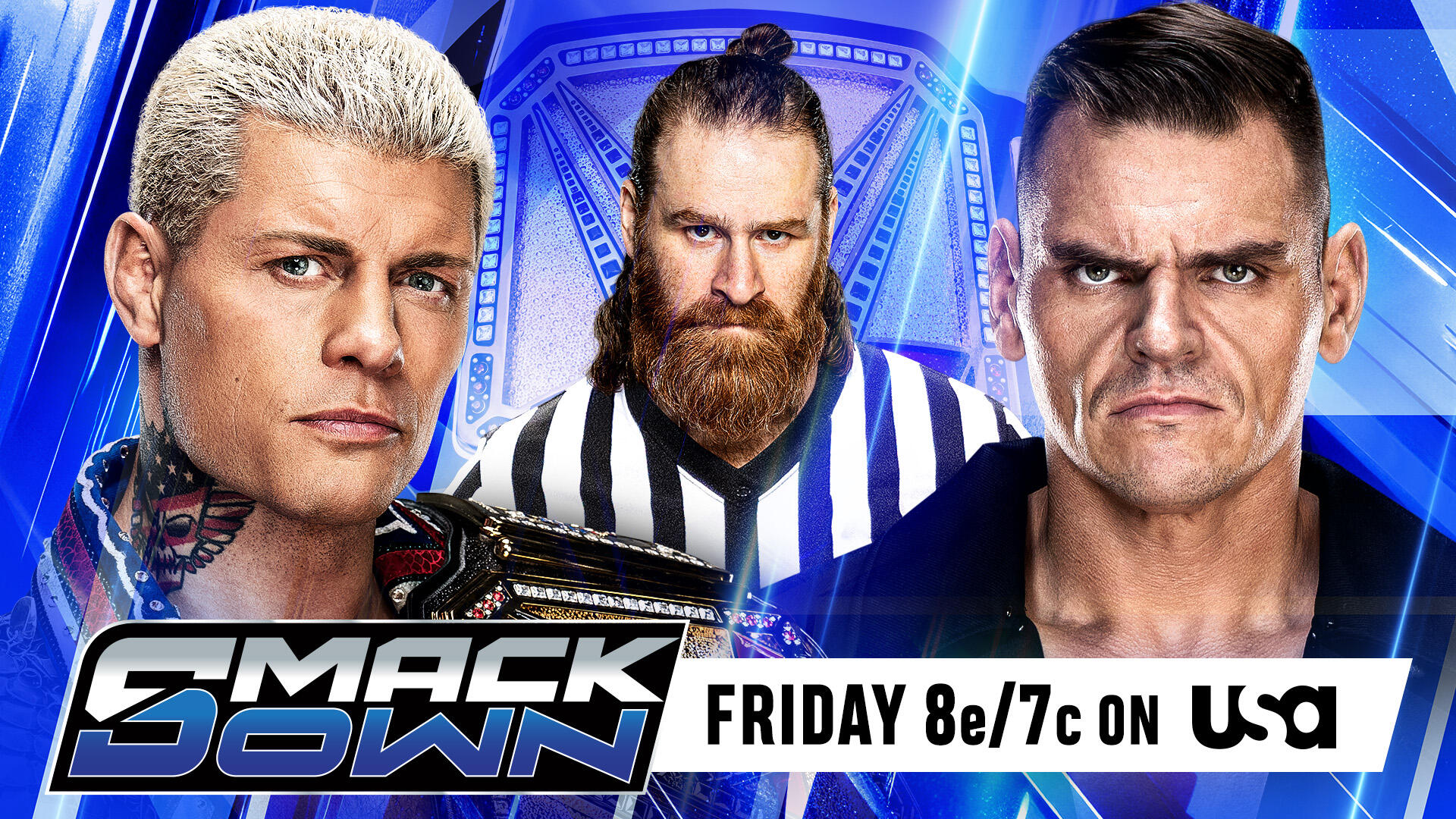
SmackDown numbers in Kansas City suggest a cooling trend for WWE's road show
4 hours agoMore Analysis
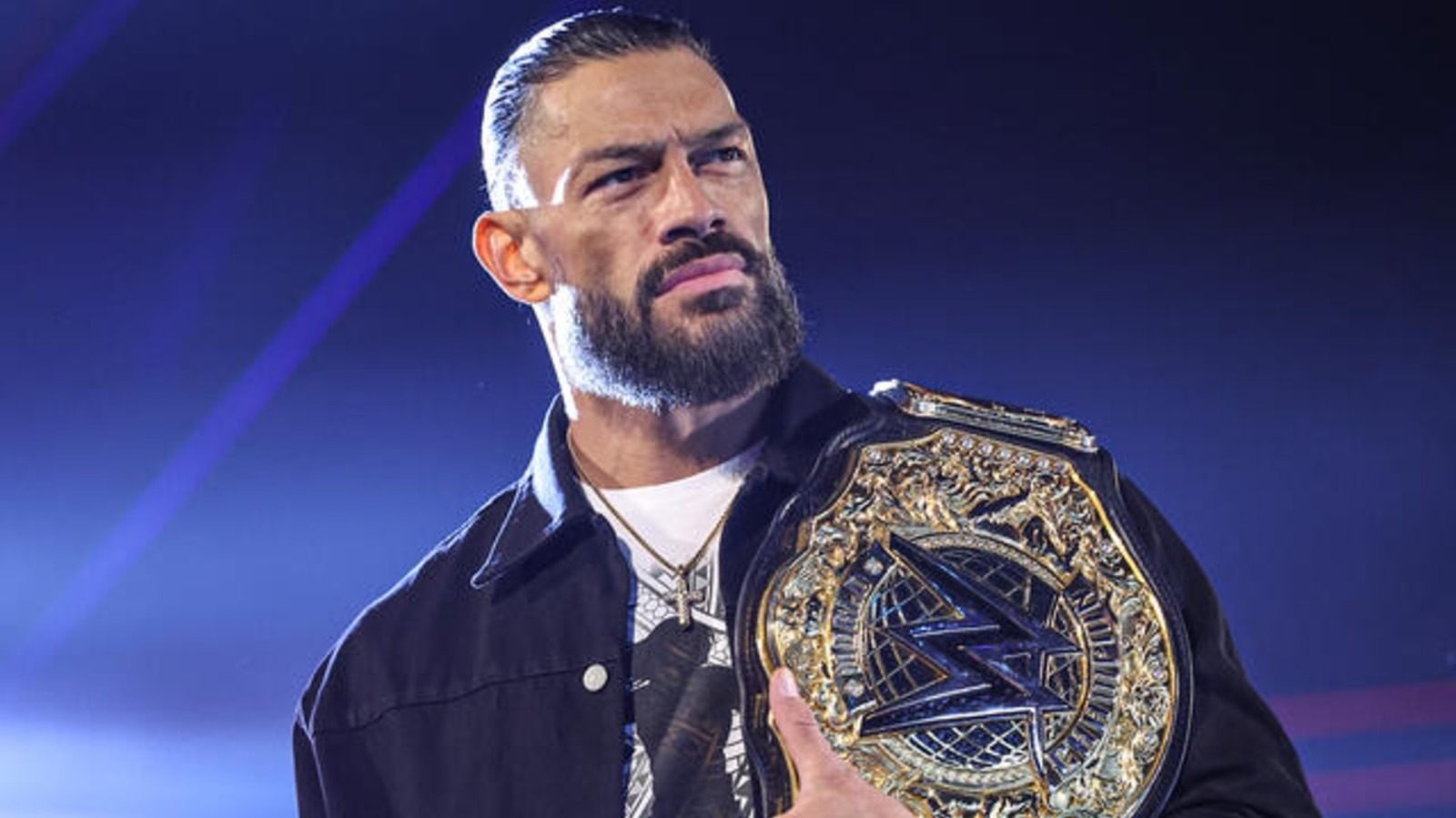
Booker T is dead right about Roman Reigns
an hour ago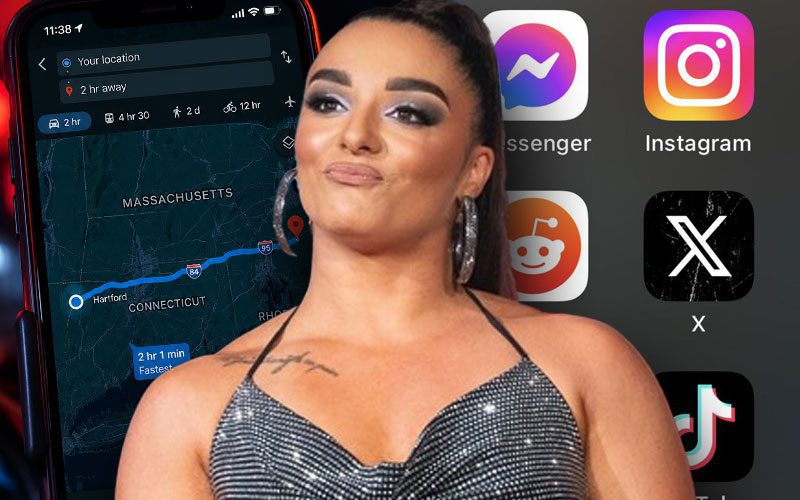
Deonna Purrazzo is more focused on the ring than the noise
an hour ago
Could R-Truth make a surprise jump following his recent WWE exit?
an hour agoMLW Fusion 200 needs to prove it can sustain a two-hour block
2 hours agoGotham Wrestling needs a reset after last week's lackluster main event
2 hours ago