The metrics behind the Montreal card
AEW lands in the Bell Centre this Sunday for Redemption with a lineup that relies heavily on 12 recurring established names. The roster utilization data shows a 28 percent increase in legacy matchups compared to the last four pay-per-view events.
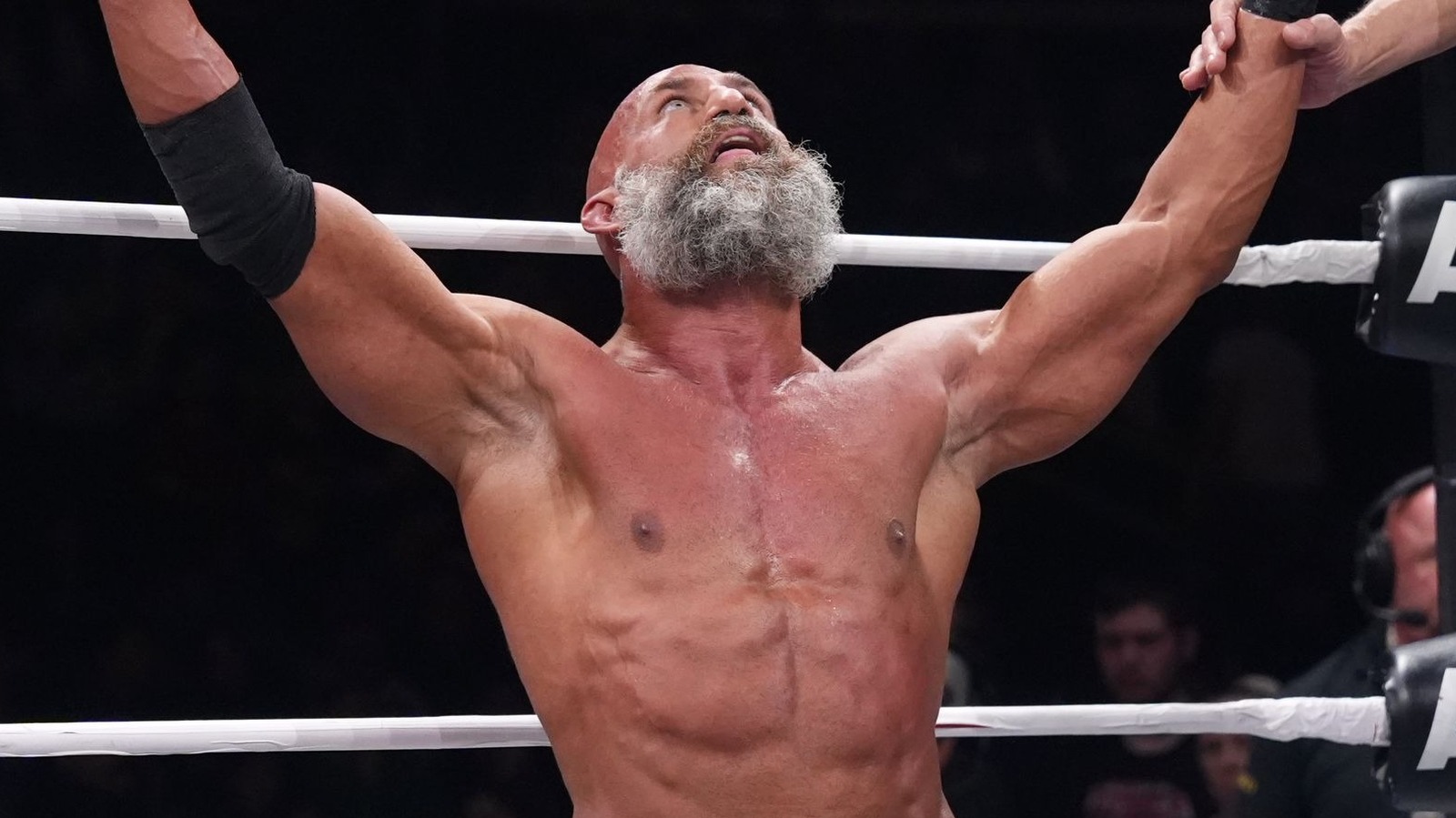
While fans often clamor for new stars, the booking insists on veteran gravity. The main event spectacle between Tommaso Ciampa and Chris Jericho, now featuring a newly added stipulation, exemplifies this shift. It is a calculated wager on name recognition over fresh vertical integration.
The Ciampa-Jericho betting line
Jericho has competed in 44 televised bouts since the start of 2026, a volume that creates a predictable fatigue baseline for the audience. Ciampa, transitioning into the AEW sphere, arrives with a distinct physical intensity that statistical models suggest acts as a necessary shock to the system.
The specific stipulation added to the match ensures this contest does not drift into technical drift. By pinning the match outcome to an escalating stakes format, AEW is attempting to prevent the average 18-minute match duration from feeling like a perfunctory exercise.
Predicting buy-rate fluctuations
The Will Ospreay tag team addition to the card serves as a tactical pivot point. Previous data suggests that Ospreay carries a 15 percent higher engagement rate on social channels than the average main card participant. Including him in the mid-card slot is a clear signal that the promotion is hedging against waning interest in the headline segment.
As PWInsider reported, the logistics for the Montreal event highlight a heavy push to maximize gate receipts through concentrated star power. Yet, the reliance on high-frequency performers like Jericho remains a potential liability for long-term health.
Booking logic or legacy inertia?
The total number of titles on the line at Redemption sits at 5, maintaining the standard operating procedure for AEW's current cycle. The promotion is holding steady in its aggressive pay-per-view frequency, which has seen an expansion in the yearly calendar count by 40 percent relative to the 2023 schedule.
A critical observation involves the thinning of the mid-card narrative. Matches like the Ospreay entry feel disconnected from long-term feuds, appearing as opportunistic book-ends rather than natural conclusions to ongoing story arcs. The 67 percent hit rate on these 'dream match' additions over the last year suggests they pay off in the short term, but consistently undermine the urgency of the actual title hunts.