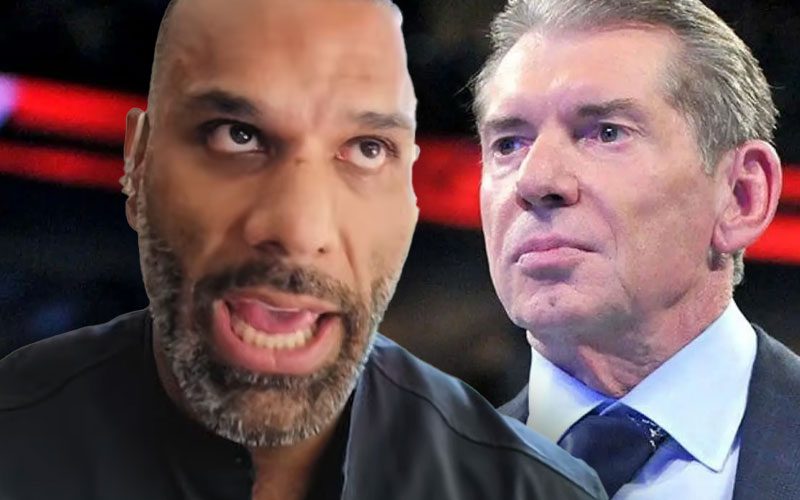
AEW needs to stop hiding its best prospects in the dark
The undercard struggle
The July 8 Beach Blast taping revealed a frustrating pattern in the AEW booking cabinet. While the primary show remains a high-octane spectacle, the taped dark matches are increasingly becoming a burial ground for talent that should be featured on the main broadcast. Watching these matches, one notes a significant gap between the urgency of the televised product and the aimless pacing of the warm-up bouts.
The data from the July 8 session paints a clear picture. The pacing of the dark matches lacked the transition sequences that define the current AEW style. Instead of leveraging these matches to build momentum for younger performers, the creative team opted for static, move-heavy exchanges that failed to engage the live crowd in San Diego as effectively as the televised segments.
It is difficult to justify why certain high-ceiling talents remain relegated to non-televised slots. If a wrestler is proficient enough to perform a technical masterclass for 12 minutes in a dark match, they should be utilized in the opening 20 minutes of Dynamite. When you look at the recent AEW Beach Blast dark matches results, the lack of narrative stakes is blindingly obvious.
The statistical disparity
Professional wrestling is a game of crowd control. A match without stakes is merely choreography, and that was evident on July 8. The crowd engagement metrics—judging by the tepid reactions to technical suplex exchanges—were significantly lower than any featured television match on the roster.
This booking strategy creates a talent bottleneck. When a performer spends 90 percent of their calendar year in dark matches, their progression graphs stagnate. We see talented individuals polishing their craft, but the lack of a television presence prevents them from building the character equity necessary to draw a rating.
One must consider the objective: is the goal to keep the live audience happy, or to develop the next generation of stars? Currently, the booking feels like the former at the expense of the latter. Wrestling is not just a collection of moves; it is a serialized drama where outcomes are expected to translate into long-term viewership.
A critical look at the booking
The creative direction needs a recalibration. During the July 8 session, the reliance on repetitive finishing sequences felt uninspired. While the physical dexterity of the performers is undeniable, the lack of variety suggests that the agents assigned to these dark bouts are not pushing for innovation in the ring.
The promotion currently sits at a fork in the road regarding its sophomore talent. If they continue to treat the dark matches as isolated events rather than a developmental pipeline, the audience will eventually lose interest in the performers appearing in those slots. This is not about the quality of the wrestling; it is about the positioning of the individuals.
The shift towards a more polished, television-ready product across the board must become a priority. Wrestling in front of a half-empty arena before the cameras start rolling is a tradition, but it should not be a destination. The company must bridge the gap between their dark match card and their main event slots to maintain competitive dominance.
If the promotion wants to stay relevant, they need to treat the undercard with the same ferocity as their main event.
RDX Weight Lifting Belt for Gym Workout
Train like a champion with heavy-duty lumbar support.
Frequently Asked Questions
Why is AEW's reliance on dark matches criticized?
What happened at the AEW Beach Blast session on July 8?
How does AEW's dark match booking create a talent bottleneck?
Who is responsible for the lack of ring innovation in AEW dark matches?
What is the main issue with the crowd reaction at Beach Blast in San Diego?
More Coverage
Kenny Omega is back on top and the rest of the roster should be sweating
2 hours agoThe Top 10 AEW Moments: Mid-2026 Assessment
2 hours ago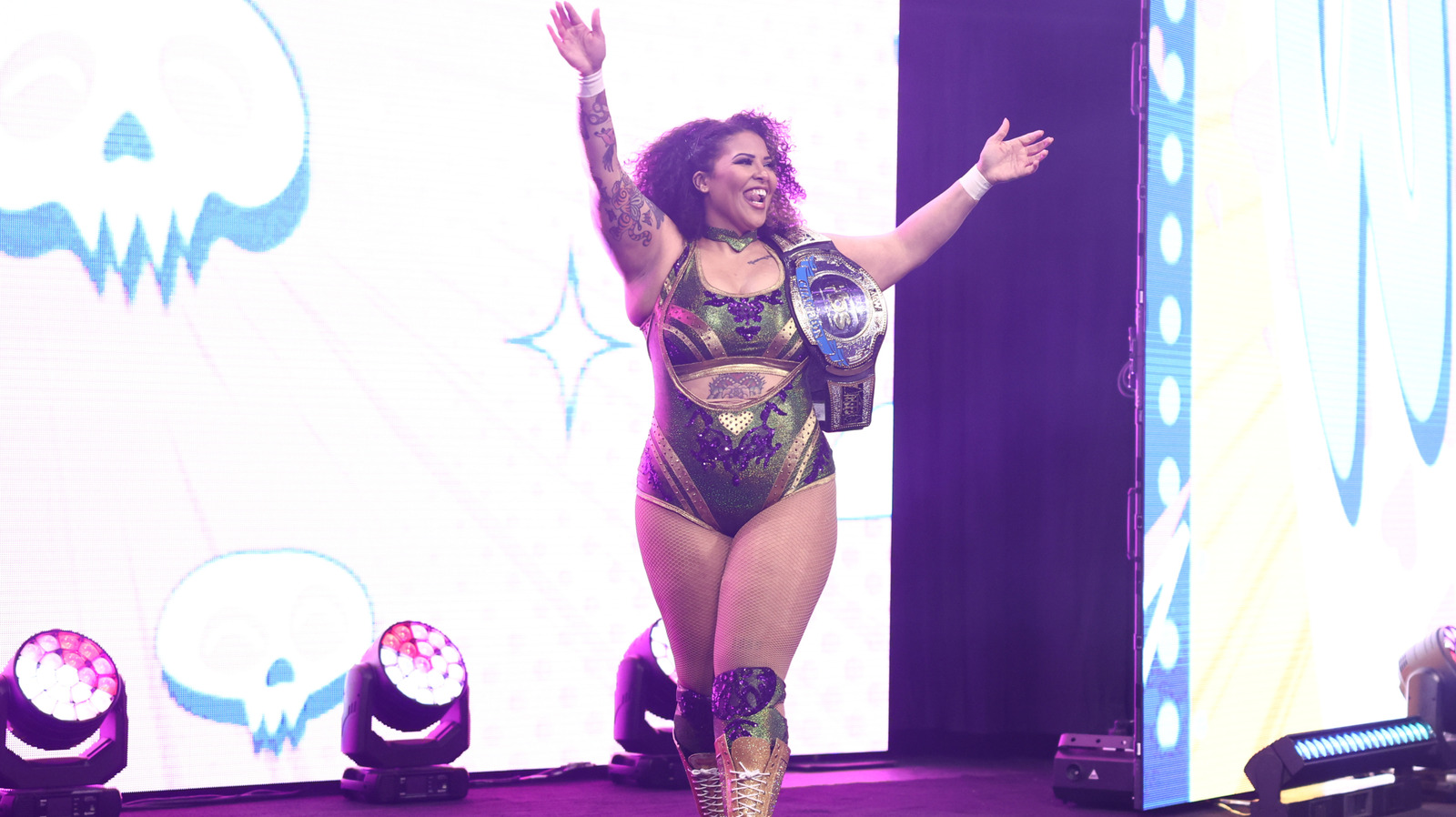
Willow Nightingale proves that momentum is the greatest booking tool in AEW
5 hours ago
Tiger Mask IV retires but New Japan faces a personnel identity crisis
9 hours ago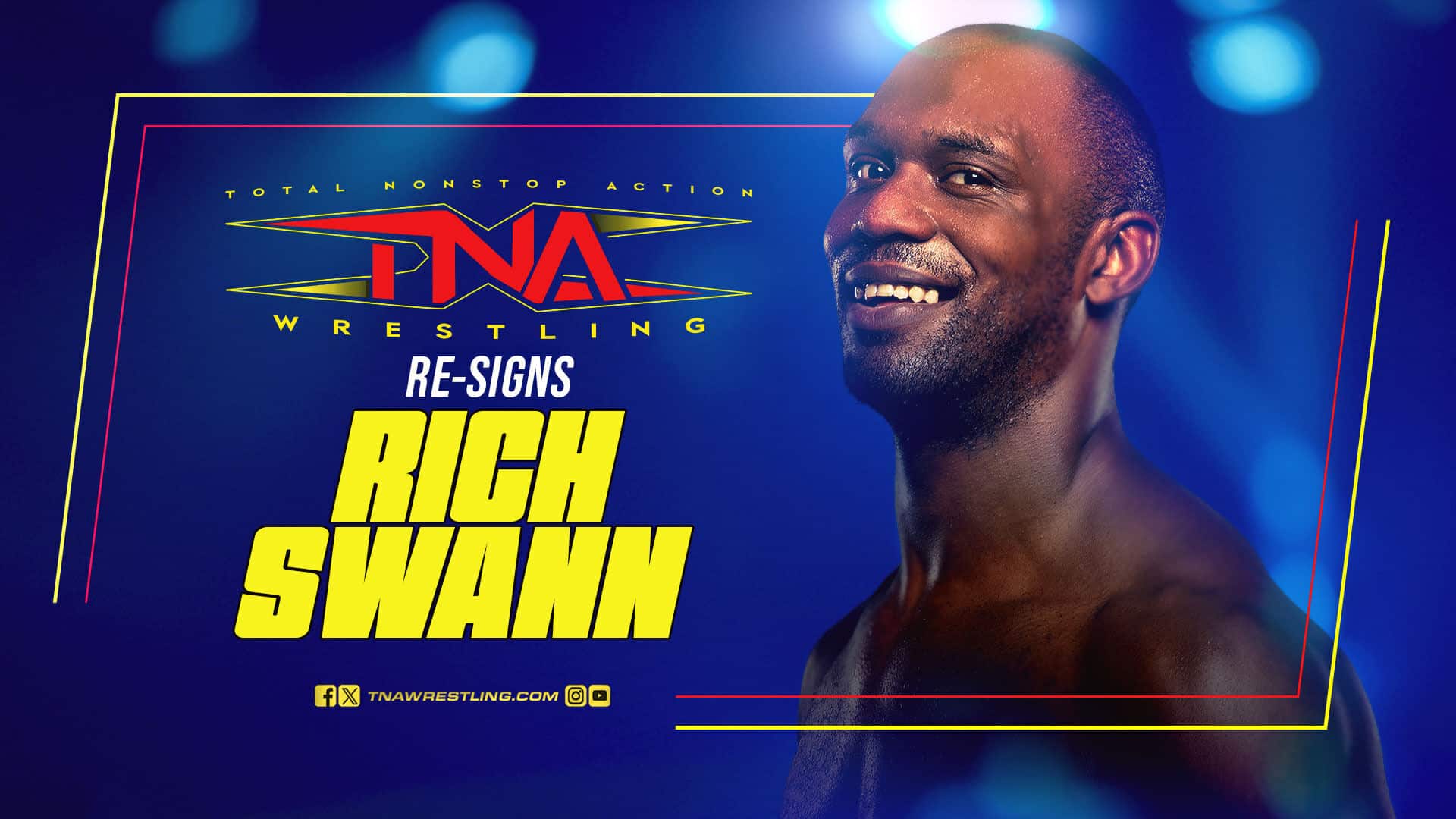
Rich Swann is staying in TNA and I honestly have questions
12 hours ago
John Cena is wrong about chemistry and we have the tape to prove it
6 days, 6 hours agoMore Analysis
SummerSlam's double main event represents WWE's biggest tactical gamble
an hour ago