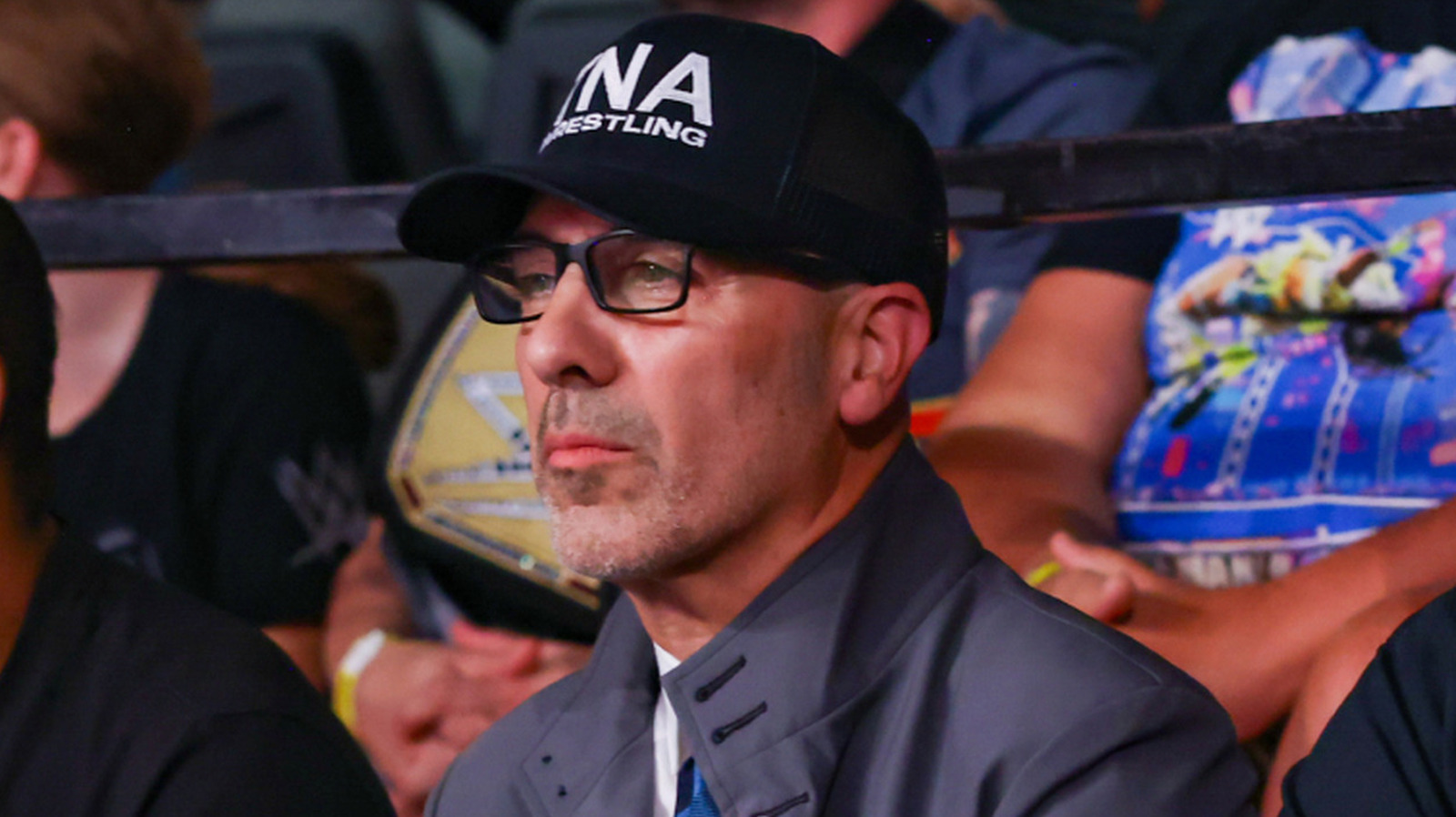
AEW is building its most crowded and dangerous main event scene yet
The Tactical Cost of the Wembley Ticket
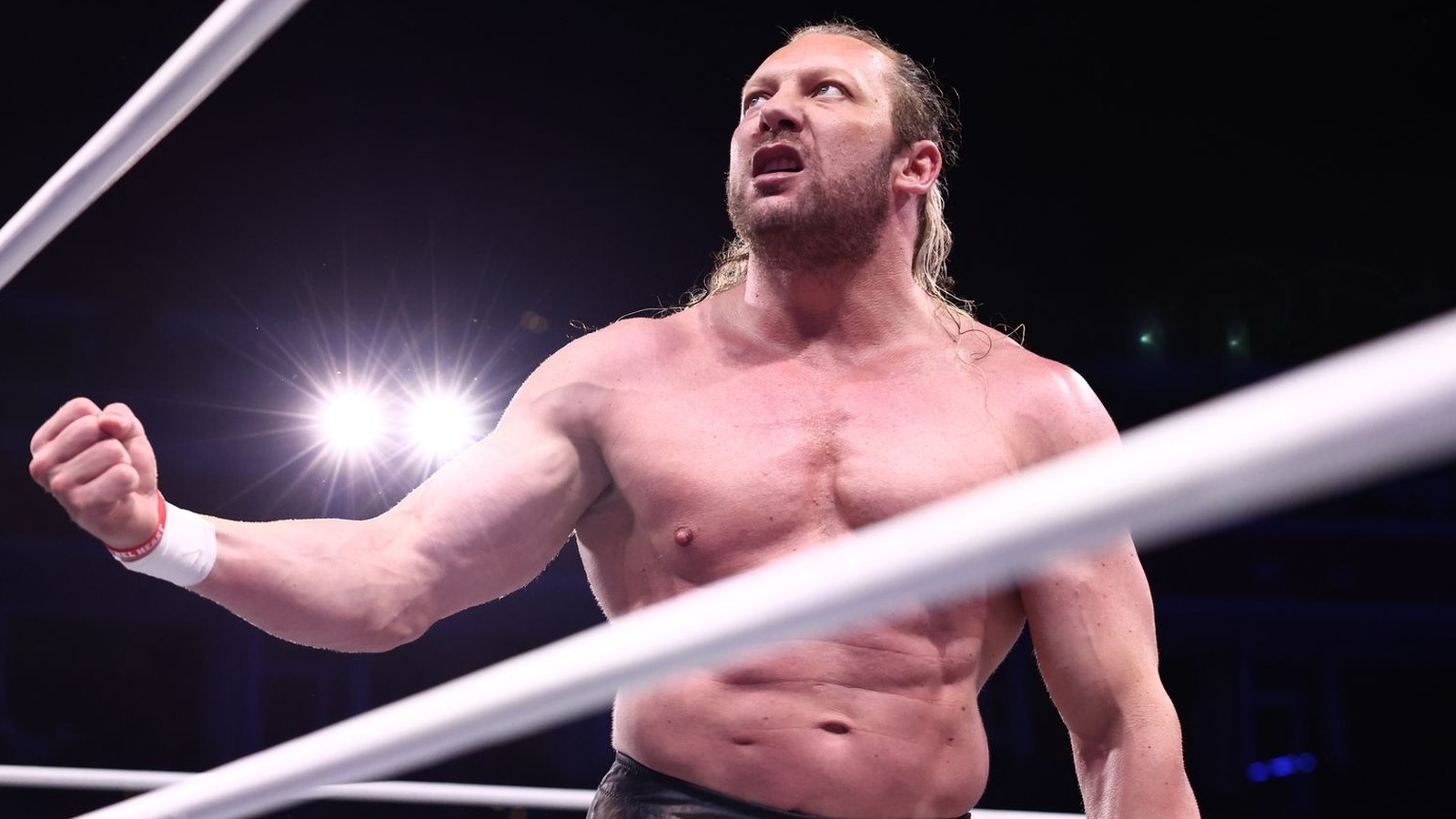
Forbidden Door 2026 was not a night for nuance. The main event saw Will Ospreay and Swerve Strickland lock horns in a brutal physical audit that lasted exactly 35 minutes. Both men left significant portions of their physical well-being on the canvas.
They bled buckets, trading heavy strikes and high-risk maneuvers before a crowd that demanded escalation. The match finally concluded when Ospreay executed a devastating Tiger Driver '91 to secure the victory.
This match was not merely a contest for a championship opportunity. It was the public fracturing of a decade-long relationship. Ospreay and Strickland have been best mates for nearly ten years, sharing lockers across multiple continents.
That deep familiarity was evident in how they anticipated each other's offense. Every counter was crisp, and every strike was delivered with the precision of men who know each other's weaknesses. They did not need to feel out the distance; they simply went to war from the opening bell.
Strickland’s performance also exposed some defensive vulnerabilities that AEW's top heel must address. While his offensive output was impressive, his tendency to showboat during transitions allowed Ospreay to recover and regain momentum. In the final third of the match, Strickland missed a diving foot stomp, leaving his ribs exposed to a series of hook kicks.
Against an opponent of Ospreay's caliber, these minor lapses in concentration are fatal. If Strickland wants to reclaim the top spot, he must eliminate these theatrical elements from his game.
However, the physical toll of this victory cannot be ignored. The use of the Tiger Driver '91 remains a highly controversial booking choice. The move puts immense pressure on the opponent's neck and spine, risking career-altering injury.
While the fans in the arena erupted in approval, the long-term cost to both performers is unsustainable. AEW cannot continue to build its biggest events on the backs of athletes who must destroy themselves to get over. The booking team must evaluate if this level of physical sacrifice is worth the temporary pop.
Now, Ospreay moves on to Wembley Stadium as the top contender for the world title. He will headline All In London 2026, the company's flagship show. Yet he does so as a compromised athlete, carrying the physical baggage of Forbidden Door.
The promotion must protect him in the coming weeks of television. Another high-impact feud before London could leave the challenger sidelined, forcing a last-minute scramble. The tactical focus must shift from high-risk stunts to pure psychological drama.
Omega's Health Battle and the Multi-Polar Field
While Ospreay secured his spot, Kenny Omega’s return injected a different kind of energy into the roster. Omega faced Zack Sabre Jr. in a highly anticipated technical showdown. It was their first singles meeting since the G1 tournament in 2018.
Sabre Jr. spent the match targeting Omega's limbs, attempting to dismantle the former champion's explosive offense. Omega, however, relied on raw power and resilience to secure a hard-fought victory, proving he can still go.
Sabre Jr.’s strategy was clear from the opening bell: isolate Omega's left shoulder and neck. He used a series of intricate wristlocks and hammerlocks to ground the former champion, neutralizing Omega's vertical leap and athletic explosiveness. Omega was forced to adapt, relying on short-range knee strikes and raw physical torque to break the holds.
This tactical shift showed a level of maturity that Omega rarely displayed during his initial AEW run. He won not by out-flying his opponent, but by out-grinding him in the dirty areas of the canvas.
This match was more than a performance; it was a personal test. Omega has spent the last year battling complex health issues, including a severe bout of diverticulitis. His return to active competition is a high-wire act with no safety net.
Omega admitted that his pursuit of a second title reign is driven by a need to test his limits. He wants to know if his body can still handle the rigors of main-event wrestling. Winning matches is his way of defeating his health issues, as Wrestling Inc reported in an exclusive interview.
The road back to the top is crowded with viable contenders. Omega pointed out that the current roster features at least ten men who could credibly carry the world title. The list is formidable, featuring names like MJF, Darby Allin, Kyle Fletcher, Konosuke Takeshita, Okada, Kevin Knight, and Ospreay.
This depth is a massive asset, but it also creates a tactical headache for the creative team. When everyone is a potential champion, individual title runs risk losing their special status. The belt must remain the focal point, not a prop shared among ten peers.
The next major checkpoint on this journey is the Redemption pay-per-view. Scheduled for July 26, 2026, the event will take place in Canada, Omega's home country. This setting provides the perfect backdrop for his continued ascent.
The crowd will be firmly behind him, but the booking must remain disciplined. The promoters must resist the urge to book a high-impact spot fest that could compromise Omega's fragile health. Redemption should be about narrative progression, not physical self-destruction.
The Business Reality of Foley's Jump
While the active roster battles in the ring, Mick Foley’s arrival highlights the shifting business dynamics of the industry. Foley’s WWE Legends contract recently expired, allowing him to sign with AEW. The hardcore legend cited his long-standing relationship with Tony Khan as the primary reason for the jump.
Foley expressed admiration for Khan’s overt passion for the product. He contrasted this with WWE, hinting at a cold, clinical atmosphere behind the curtain in Stamford.
The locker room response to Foley’s arrival has been overwhelmingly positive, with younger talent eager to absorb his knowledge. Foley has always been regarded as one of the best promo minds in the business, capable of building intense drama with simple vocal inflections. His presence gives AEW a mouthpiece to guide storylines that might otherwise devolve into meaningless brawling.
If Tony Khan allows Foley to actively mentor the midcard, the long-term benefits will far outweigh his high salary. The investment must be measured by the growth of the talent around him, not just merchandise sales.
Yet, the decision to leave WWE was not without financial consequence. Foley openly admitted that he must work 24 hours on his own to generate the income he would have made in just four hours with WWE. The Legends contract was a lucrative arrangement, requiring minimal effort for maximum return.
Foley’s willingness to exchange that financial security for creative freedom is a rare move in modern wrestling. It shows that for some veterans, legacy and respect outweigh easy merchandise checks. He is betting on AEW's ability to utilize his legendary status effectively.
Foley's departure also carried strong political undertones. He had become increasingly uncomfortable with WWE's relationship with the White House, a stance he began voicing in late 2025. The breaking point came when public figures mocked a deceased individual, a move Foley found completely unacceptable.
He described this incident as the final straw in a long series of frustrations. His jump to AEW was a moral statement, confirming that corporate values still matter to the business's elder statesmen, as Foley revealed to Going Ringside.
Foley’s presence in AEW will likely be non-wrestling, focusing on managerial or authority roles. This is a smart move that protects his physical health while utilizing his promo skills. However, the booking team must avoid the trap of letting legends overshadow the younger roster.
AEW has a history of bringing in veterans who dominate television segments at the expense of emerging stars. Foley must be used as a catalyst to elevate others, not as a nostalgia act. His value lies in his ability to pass the torch, not hold it.
Navigating a Chaotic Summer Narrative
As the promotion heads toward August, the immediate challenge is managing the sheer volume of active storylines. MJF holds the AEW World Championship, but his reign is surrounded by chaos. He is scheduled to defend the title against Mark Briscoe this Wednesday on Dynamite.
Simultaneously, MJF is embroiled in a personal feud with Andrade El Idolo. This conflict stems from the fallout of a brutal 12-man steel cage match at Forbidden Door, leaving the champion pulled in multiple directions.
The champion's schedule is further complicated by Kevin Knight's impending title shot, which MJF promised after a series of backstage altercations. Knight represents the hungry, athletic division of AEW that thrives on high-energy television matches. While Knight is unlikely to win the championship, a competitive match against MJF could elevate his standing significantly.
The risk is that MJF's attention is so divided between Andrade, Briscoe, and Ospreay that the Knight match becomes an afterthought. A champion must dominate his challengers, not treat them as obstacles on the way to a bigger pay-per-view.
This multi-layered booking can easily confuse the audience. When a champion is defending the title while feuding with three other people, the championship loses its singular focus. The match against Briscoe should be a straightforward athletic contest, but it will likely be disrupted by run-ins.
This reliance on chaotic finishes is a persistent flaw in AEW’s weekly programming. It cheapens the matches and frustrates fans who want clean resolutions. The booking needs a simpler, more direct approach.
Furthermore, the physical stakes are reaching a tipping point. The roster is currently performing at a pace that invites disaster. If every pay-per-view match requires thirty-plus minutes of high-risk bumps, the injury list will grow.
We saw the consequences of this style in the past, when top stars missed months of television due to avoidable mishaps. The promotion must encourage its wrestlers to work smarter, not harder. Emphasizing ring psychology and simple, effective storytelling will preserve the roster for the big shows.
AEW has all the components of a golden era. They have the physical excellence of Ospreay, the legendary aura of Omega, and the veteran wisdom of Foley. What they lack is narrative discipline.
The summer of 2026 could be the company's peak, or it could be a chaotic mess of injuries and hot-potato booking. The decisions made in the next few weeks will determine which path they take. It is time for Tony Khan to put down the action figures and write a coherent television show.
Read Next
- AEW's circular steel cage is a spatial bottleneck that MJF couldn't run from
- AEW wants Gabe Kidd but visa issues stall a massive debut
- Mick Foley is choosing principles over WWE's easy money
- Inside WWE's failed pursuit of Brian Cage and his Hollywood future
- ⚡ AEW Dynasty 2026 — Full Coverage Hub
- 🚪 AEW Forbidden Door 2026 — AEW × NJPW Coverage Hub
WWE Elite Collection Cody Rhodes Action Figure
Recreate classic matches with the most detailed Cody Rhodes action figure availa
Frequently Asked Questions
Who did Will Ospreay defeat at Forbidden Door 2026?
What move did Will Ospreay use to win at Forbidden Door?
How long have Swerve Strickland and Will Ospreay been friends?
What event will Will Ospreay headline after Forbidden Door?
Who did Kenny Omega face upon his return at Forbidden Door?
More Coverage
AEW wants Gabe Kidd but visa issues stall a massive debut
3 hours ago
Mick Foley is choosing principles over WWE's easy money
4 hours ago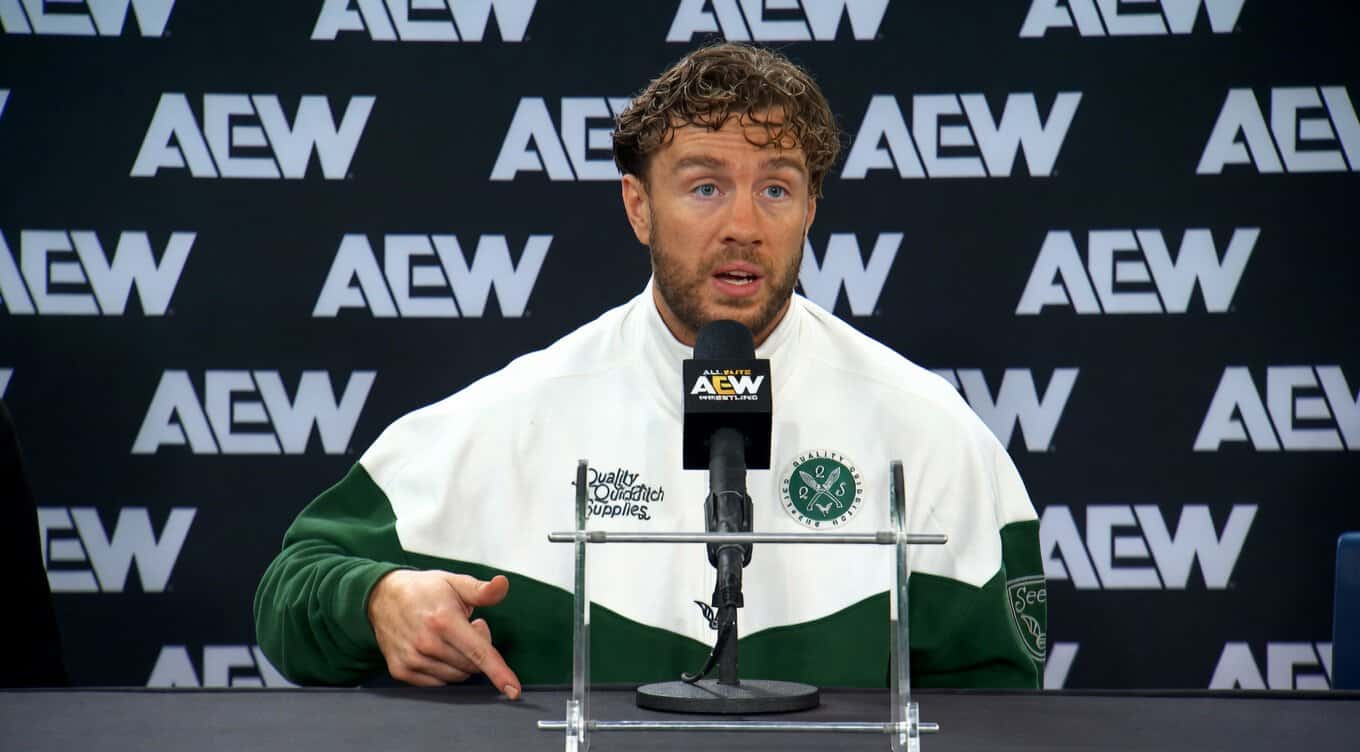
Inside WWE's failed pursuit of Brian Cage and his Hollywood future
4 hours ago
AEW wants Death's Door to be a yearly tradition but fans aren't sold yet
5 hours ago
Top 10: Top Moments
5 hours ago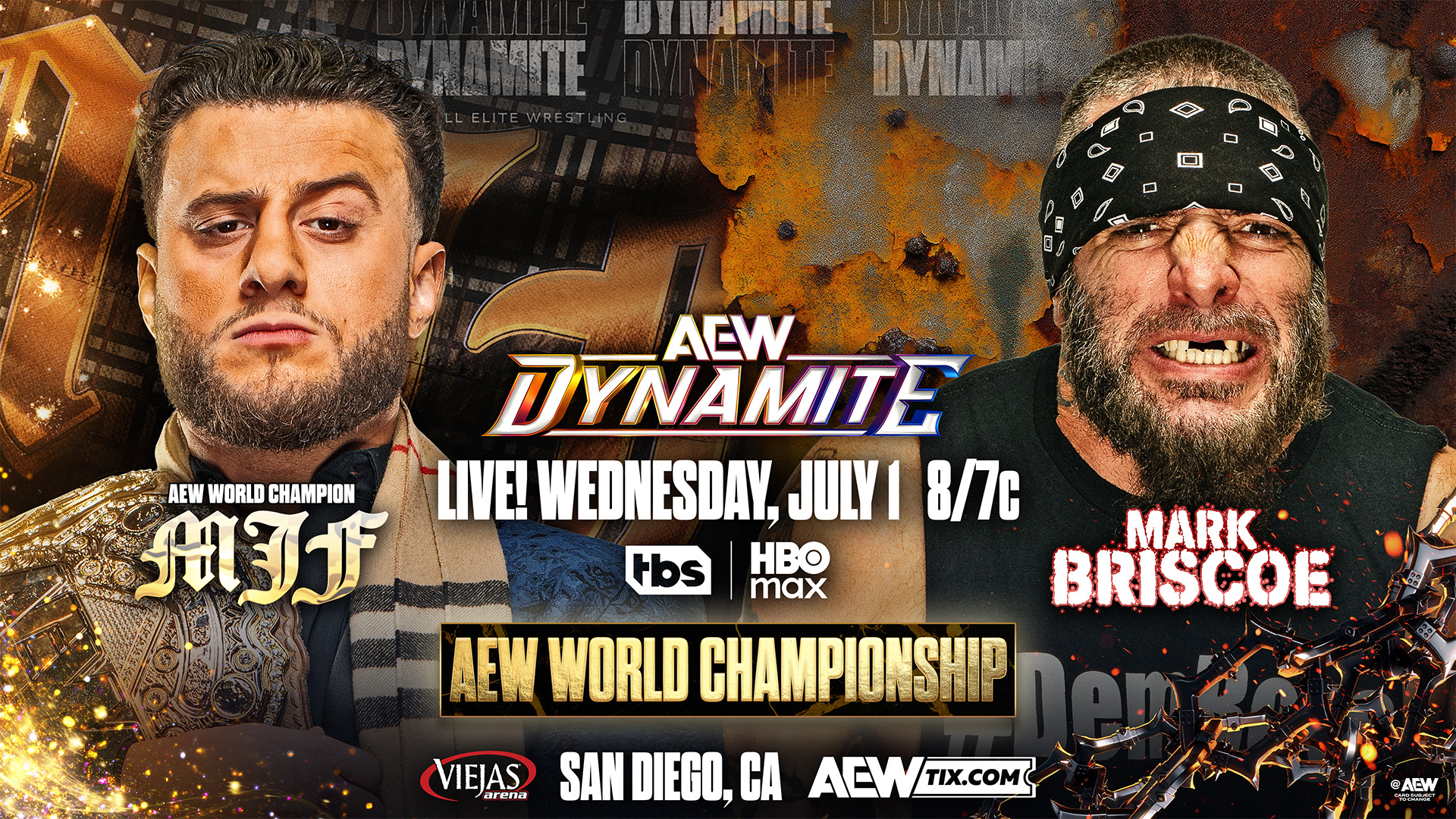
AEW's circular steel cage is a spatial bottleneck that MJF couldn't run from
6 hours agoMore Analysis
TNA got absolutely slaughtered in the ratings and the internet is losing it
an hour ago
How physical breakdown forced AJ Styles out as his son Avery debuts
2 hours ago
Big Bill is leaving AEW for WWE and he is bringing a familiar face
2 hours ago
Why Cody Rhodes' story might never actually get finished
2 hours ago
John Cena went bald for a hair transplant and fans are losing it
2 hours ago