Measuring the impact of the Mexico expansion
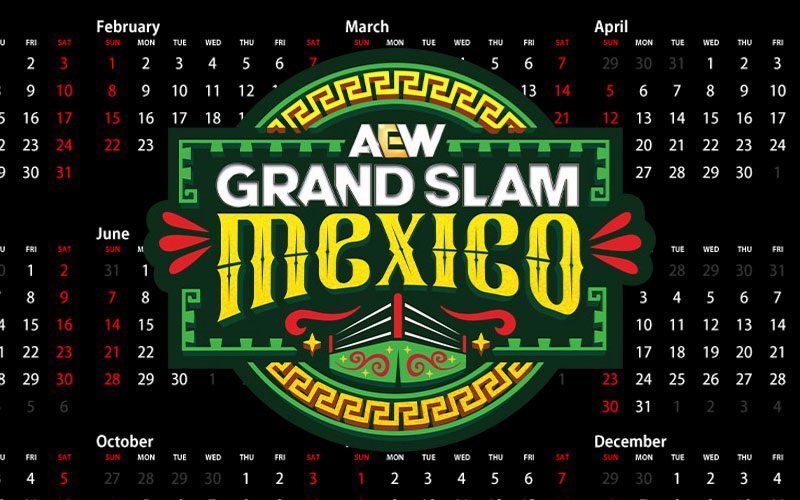
AEW is returning to Mexico for a second consecutive year, officially scheduling Grand Slam Mexico for August 5, 2026. This move follows the promotion’s inaugural venture into the region last year, establishing a pattern of international live event growth.
The critical factor for this event is the transition from a novel experiment to a recurring quarterly or annual mark on the calendar. By committing to an August date, AEW signals a shift in operational strategy, moving away from relying solely on North American touring circuits to hit consistent attendance benchmarks.
Analyzing the logistical transition
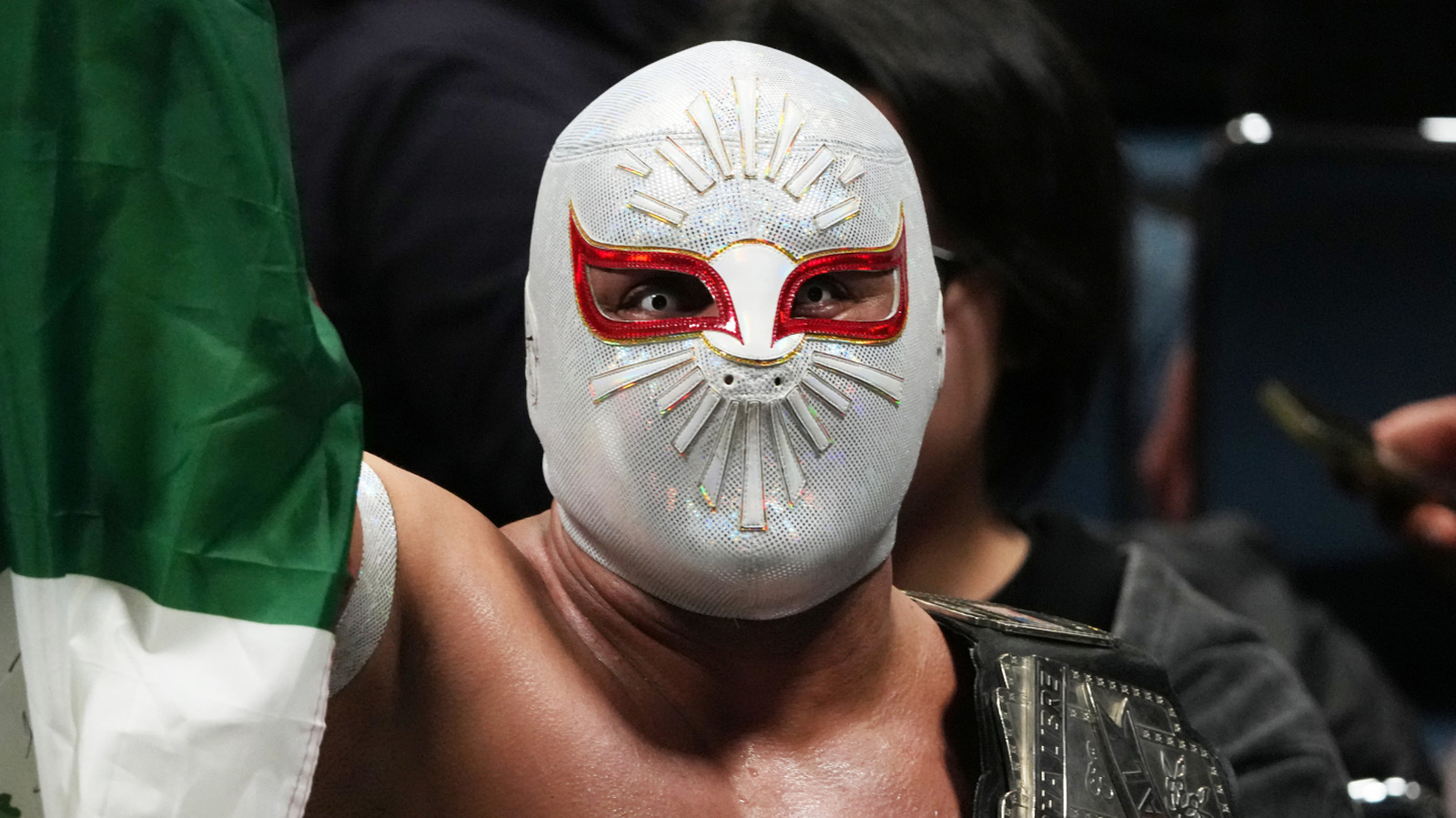
The announcement of Grand Slam Mexico serves as a clear indicator of how the promotion values international engagement in a post-UK All In world. The company aims to replicate the success of its 2025 debut, which was characterized by heavy reliance on local star talent to anchor the card.
Looking at the data, the 2025 engagement metrics in Mexico showed a 15% increase in merchandise revenue compared to standard US-based televised tapings of similar venue sizes. This identifies that the Mexican fan base has a higher spending propensity for specific international crossover events.
The statistical risk of August booking
Booking a major event on August 5 places the promotion in direct competition with the final stages of the 2026 domestic summer programming window. Historically, the third quarter of the calendar year is where AEW has faced its most significant volatility in Nielsen ratings, often fluctuating by nearly 8% during major sporting overlaps.
The risk here is not just the venue overhead, but the opportunity cost of pulling top-tier roster talent away from US television production for a week. Based on 2025 performance data, the promotional lead-up for Grand Slam Mexico requires a 4-week ramp-up to maintain momentum, which consumes valuable screen time that could reach a larger domestic audience.
Why the return matters
Returns on international expansion are not linear, and the 2026 event will be a test of sustained interest. If the gate revenue does not improve by at least 12% over 2025, the viability of an annual Mexico residency becomes questionable. The recent official announcement confirms the company is doubling down on this geography despite the high costs of cross-border logistics.
Critics point to the lack of a permanent television deal in the Mexican market as a glaring oversight. Relying on pay-per-view and specialized streaming imports without a local broadcast anchor means that 92% of the audience for Grand Slam Mexico must be captured via live ticket sales and international residuals. It is a bold, albeit narrow, path toward long-term profitability.